

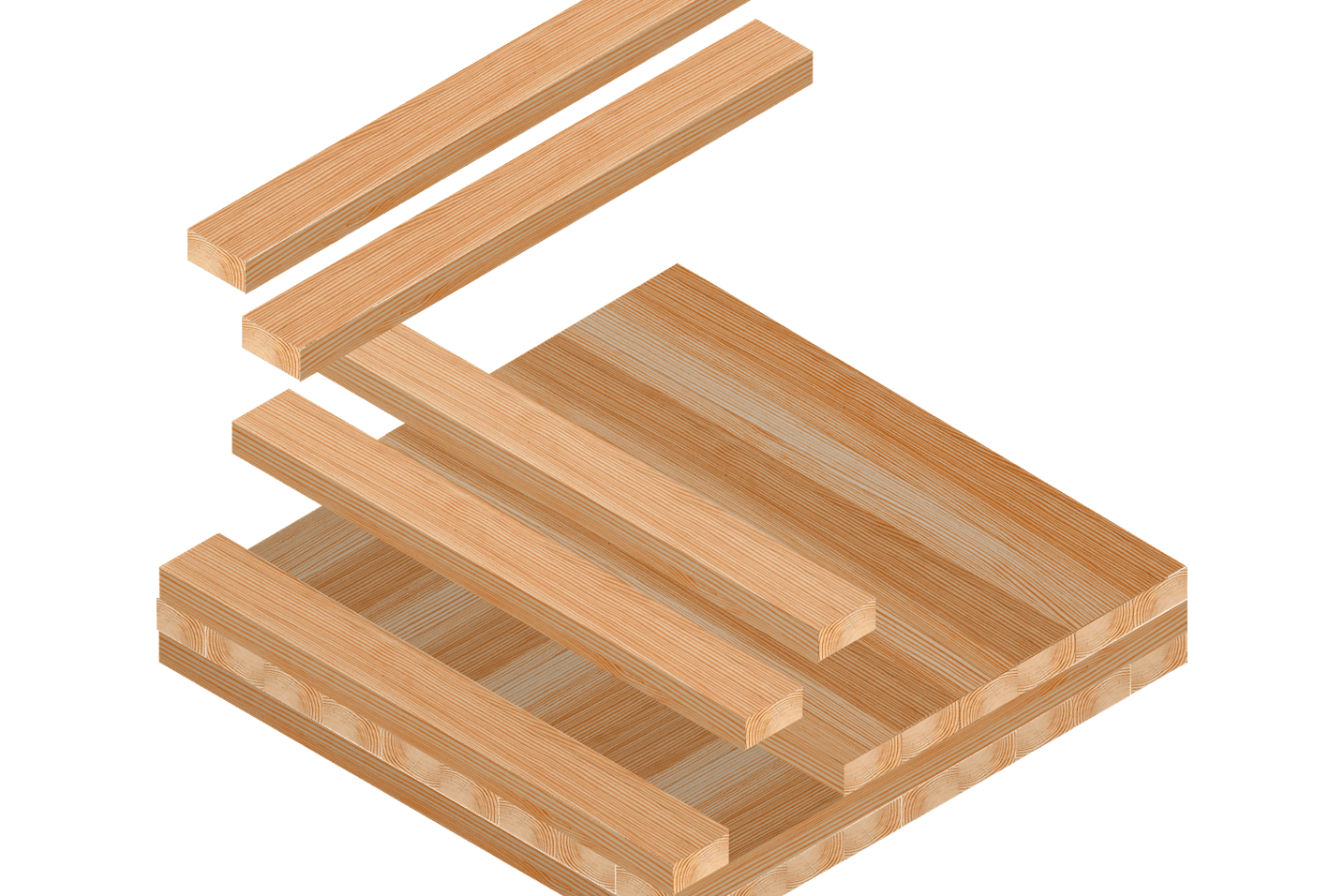
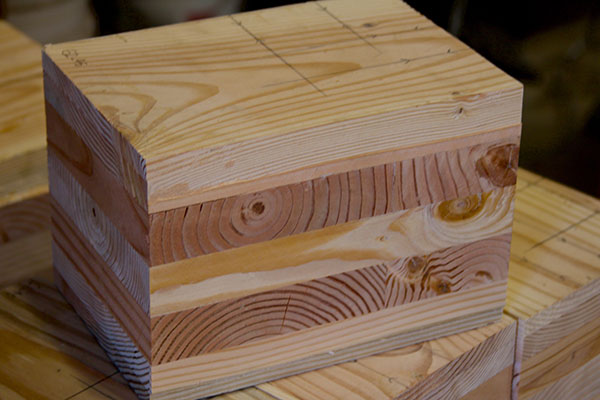
Cross Laminated Timber (CLT) is a modern construction material that has gained popularity in recent years due to its sustainability, strength, and versatility. CLT is a type of engineered wood panel that is made from solid wood planks that are stacked in alternating directions and then glued together under high pressure. The result is a strong, stiff, and stable panel that can be used for flooring, walls, roofs, and even entire buildings.
CLT is made from sustainably harvested wood, which means that it is an environmentally friendly alternative to traditional building materials like concrete and steel. Unlike these materials, wood stores carbon, which means that CLT has a lower carbon footprint than other building materials. In addition, the manufacturing process of CLT is relatively low energy, making it a more energy-efficient option than traditional construction methods.
One of the key benefits of CLT is its strength and stability. CLT panels are extremely rigid and can span large distances without the need for additional supports. This means that CLT can be used to create open, spacious interiors without the need for load-bearing elements. Owing to their high strength-to-weight ratio, CLT beams can span longer distances than concrete beams of the same dimensions. This means that CLT beams can support a given load with less weight than concrete beams, allowing them to span longer distances. However, the exact span capabilities of CLT beams can vary widely depending on the specific conditions and the quality of the materials and construction. It is important to consult a structural engineer to determine the appropriate span for a specific CLT or concrete beam. The engineer will consider factors such as the weight of the floor or roof system, the type of load that will be applied to the beam, the height of the building, the climate conditions, and other factors to determine the appropriate span. CLT panels are also fire-resistant, and the glue used to bond the panels together creates a barrier that slows the spread of fire.
Another advantage of CLT is its versatility. CLT panels can be cut, drilled, and shaped to suit a wide range of design requirements. This makes CLT a popular choice for architects and designers who want to create unique and creative structures. CLT can also be used in combination with other materials, such as concrete, steel, and glass, to create hybrid structures that are both beautiful and functional.
Since CLT is a solid panel composed of a single material, the structure requires no cladding, which reduces the need for labor and materials for its final appearance. The same wall that receives the structural stresses of the roof remains exposed, but there is still the option to cover it without any major problems. Generally, the surfaces are only given the application of a transparent waterproofing, making the natural designs of the fibers of the wood evident.
Another adavanatage of CLT is it’s shorter construction time. Furthermore, the construction is dry and does not generate alot of waste as opposed to other construction materials and methods. Additionally, the economics of quality also come into play when using CLT, as the process is highly controlled. Generally, panels made of CLT are assembled and cut in their production, already foreseeing the joints, openings, and drills specified in the design. The parts are then transported to the site, and then assembly takes place there.
CLT has already been used to construct a number of notable buildings, including the world’s tallest wooden building, the HoHo Vienna in Austria. This innovative building is a striking example of what can be achieved with CLT, and it has helped to demonstrate the potential of this exciting new material.
One of the biggest challenges facing CLT is cost. CLT is more expensive than traditional building materials, and the cost of CLT panels can be a significant barrier to its widespread adoption. However, the cost of CLT has been steadily decreasing in recent years, and many experts believe that it will become increasingly competitive with other building materials in the coming years.
Another challenge facing CLT is the perception that wood is not as strong or durable as other materials. While this is not necessarily true, it is important for builders, architects, and designers to educate themselves about the benefits of CLT and to understand its limitations. For example, CLT is not suitable for use in areas that are prone to termite infestations, and it may not be the best choice for buildings that are located in areas that are prone to earthquakes or high winds.
Despite these challenges, CLT is becoming increasingly popular, and it is likely to play a major role in the future of construction. The combination of its sustainability, strength, and versatility makes CLT an ideal material for a wide range of applications, and it has the potential to revolutionize the way we build and live.
In conclusion, CLT is a cutting-edge building material that offers a range of benefits over traditional construction methods. CLT is sustainable, strong, and versatile, and it has the potential to play a major role in the future of construction. While there are some challenges facing CLT, including cost and perception, it is likely that these will be overcome in the coming years as the technology continues to evolve and mature. So if you’re looking for a material that can help you create beautiful, sustainable, and functional structures, consider CLT.


